AI-Driven Multi-Scale DFAM

ixScale empowers engineers to design, optimize, and validate complex lattice structures at scale for Additive Manufacturing, with a modern AI agent.

Engineered for Cellular Structures
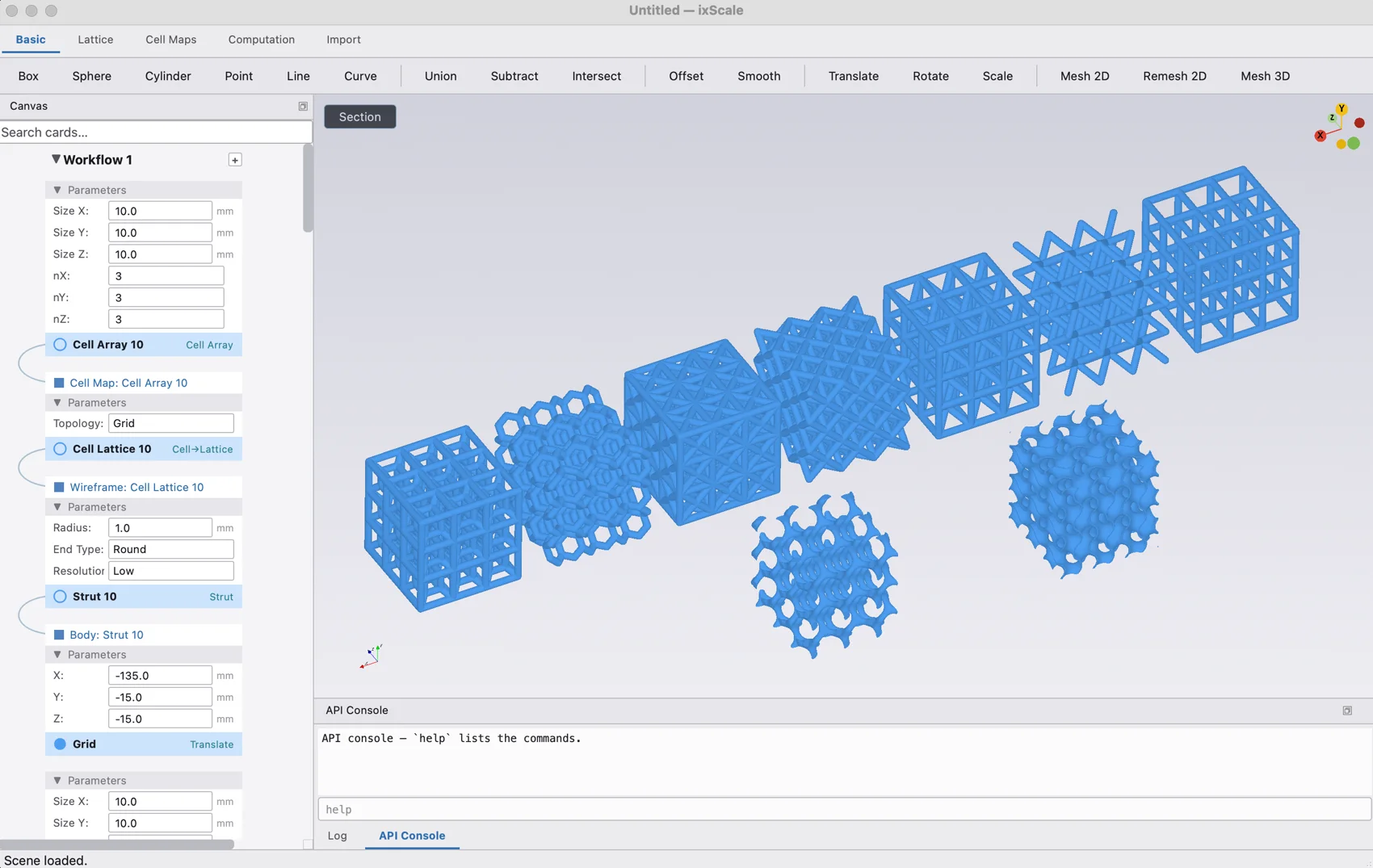
The ixScale window: a workflow of lattice cards on the left, and a row of unit cells — grid, octet, X and TPMS surfaces — in the 3D view.

Heterogeneous design

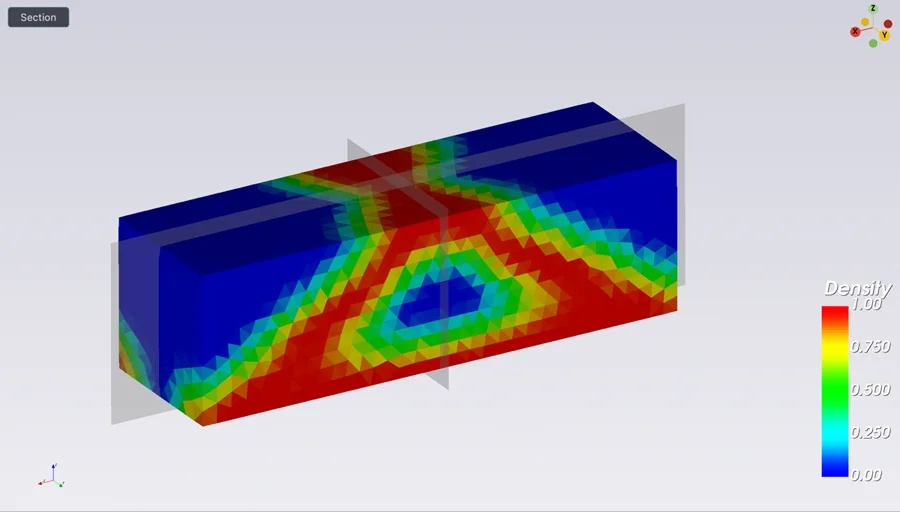
A beam colored by optimized density, red where material is needed and blue where it is not.
1Topology optimization
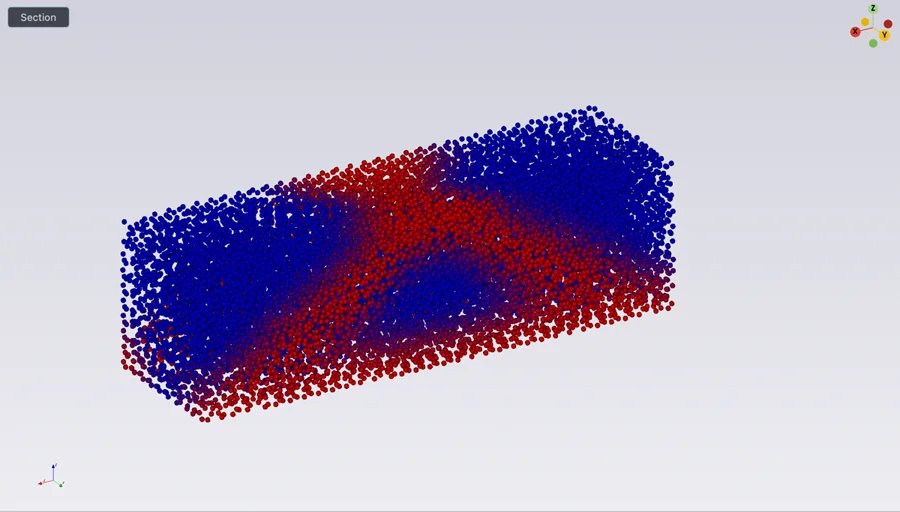
The same beam as a field of points, each carrying its density value.
2Heterogeneous map
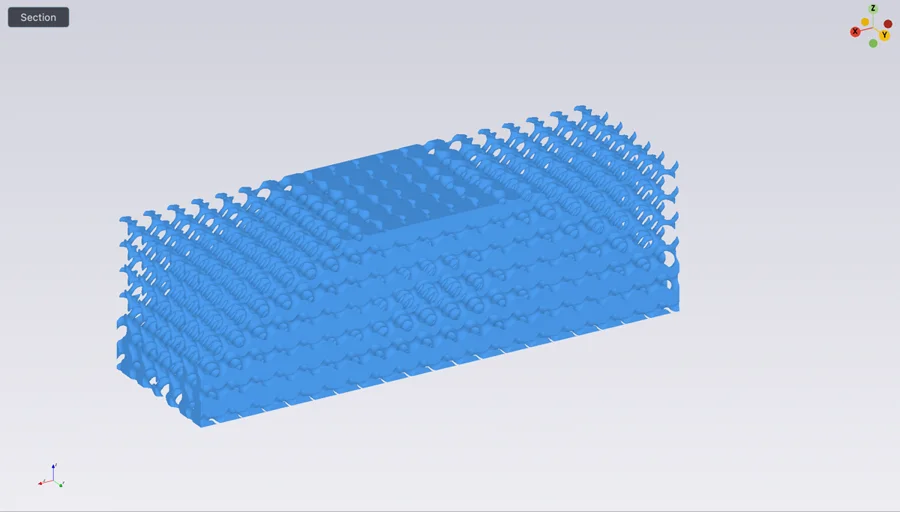
A gyroid lattice filling the beam, its wall thickness varying with the density map.
3Heterogeneous lattice

Conformal design

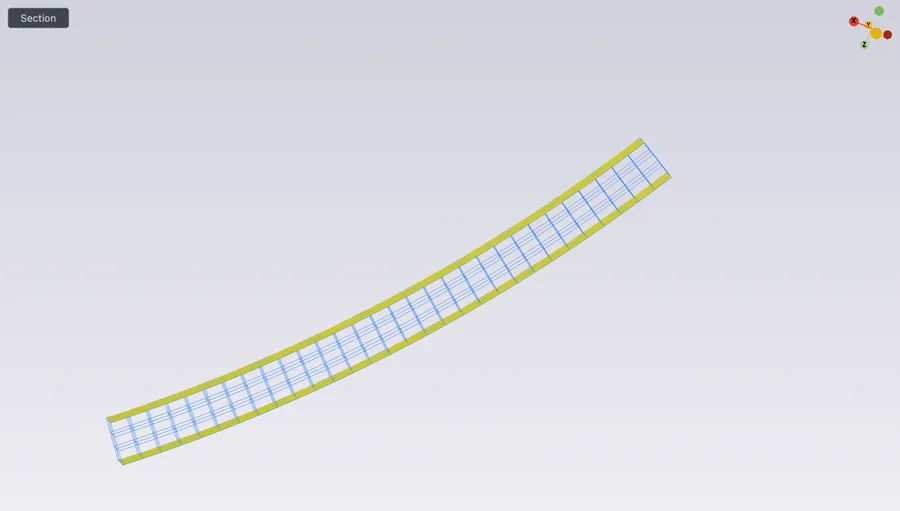
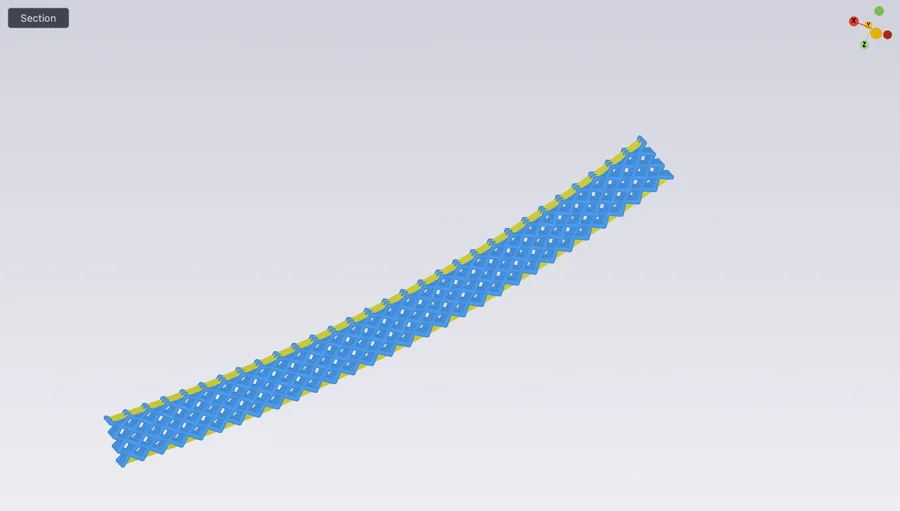
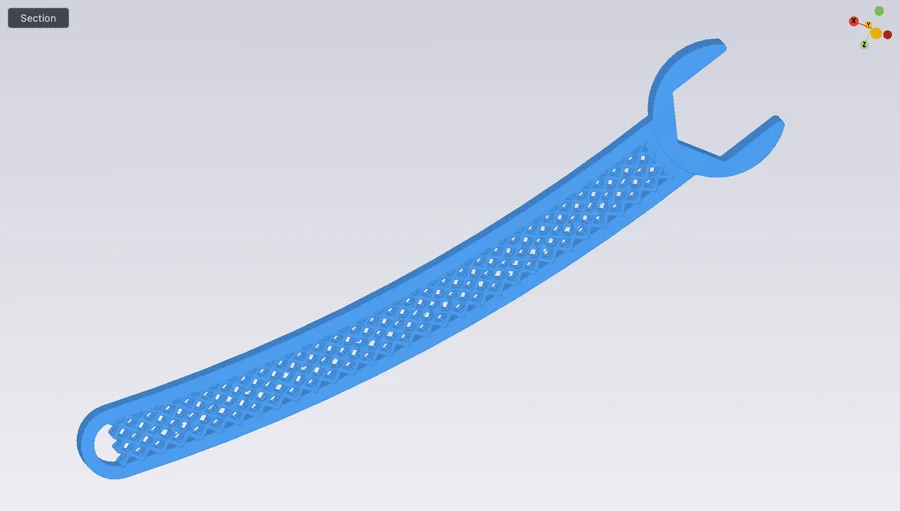
A curved shell filled with a cell grid that follows its surface rather than a global axis.
1Conformal cell
The same cell grid thickened into struts, so the lattice bends with the part.
2Conformal lattice
The lattice trimmed flush to the shell, leaving one solid ready to mesh and print.
3Boolean operation

Randomized lattice

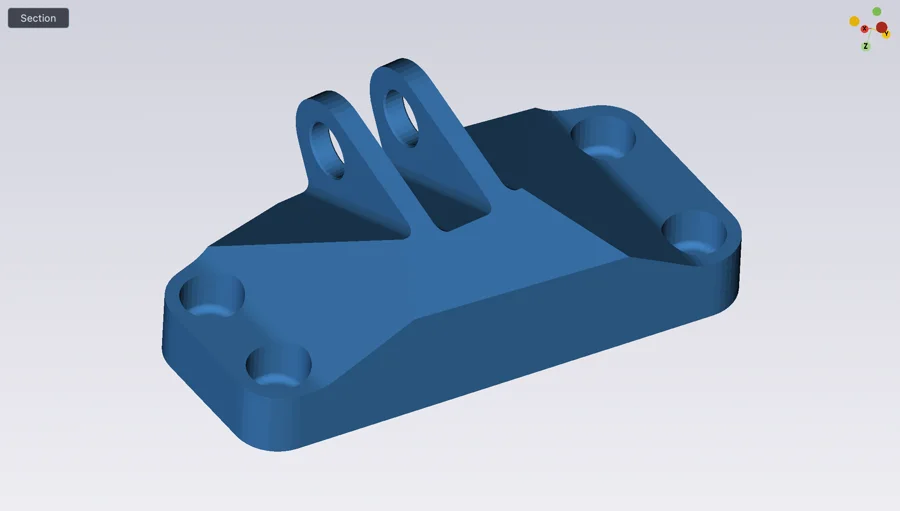
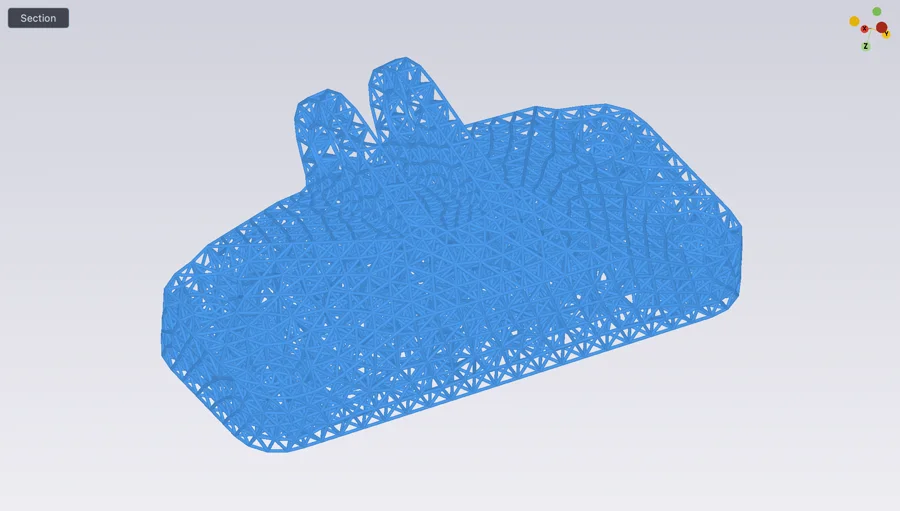
An imported CAD solid: the bracket the lattice will be built inside.
1CAD body
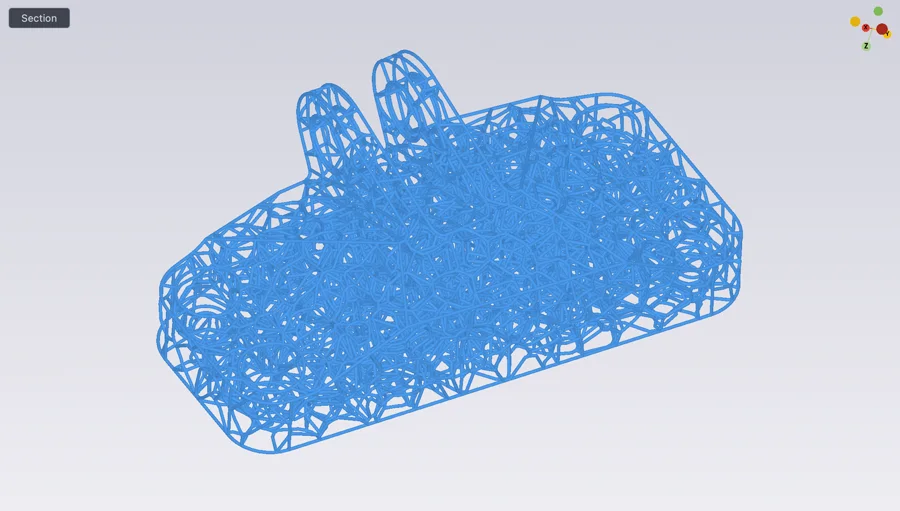
The bracket filled with a Voronoi lattice grown from randomly seeded nodes.
2Voronoi lattice
Every tet edge thickened into a strut, giving a lattice that conforms to the part.
3Tetrahedron lattice

Try ixScale

ixScale (Beta)
Free Trial

Free trial for beta version  ·  Education license available for free

  • Periodic Lattice
  • Periodic TPMS
  • Voronoi Structure
  • Boolean Operations
  • STL Export
  • FEA Analysis
  • Topology Optimization
  • Heterogeneous Design
  • Homogenization
  • Conformal Design
Register to download

Impact Across Industries

From aerospace lightweighting to biomedical implants, ixScale is the standard for lattice engineering.

Lightweighting a drone frame

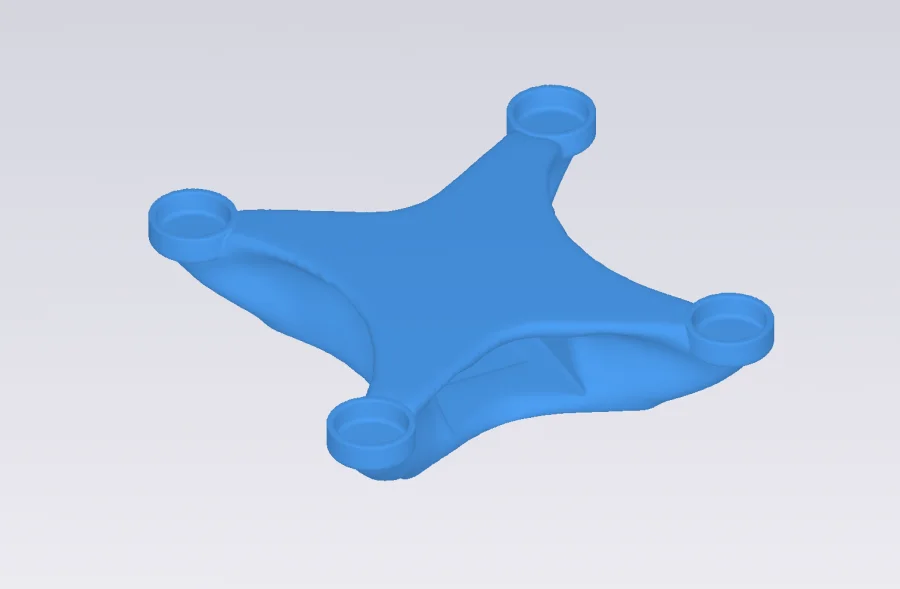
A solid mounting plate carries load along paths a block of material cannot see. Topology optimization finds them, and the result is a frame that keeps the four motor mounts and the stiffness they need — with the material that was doing nothing removed.
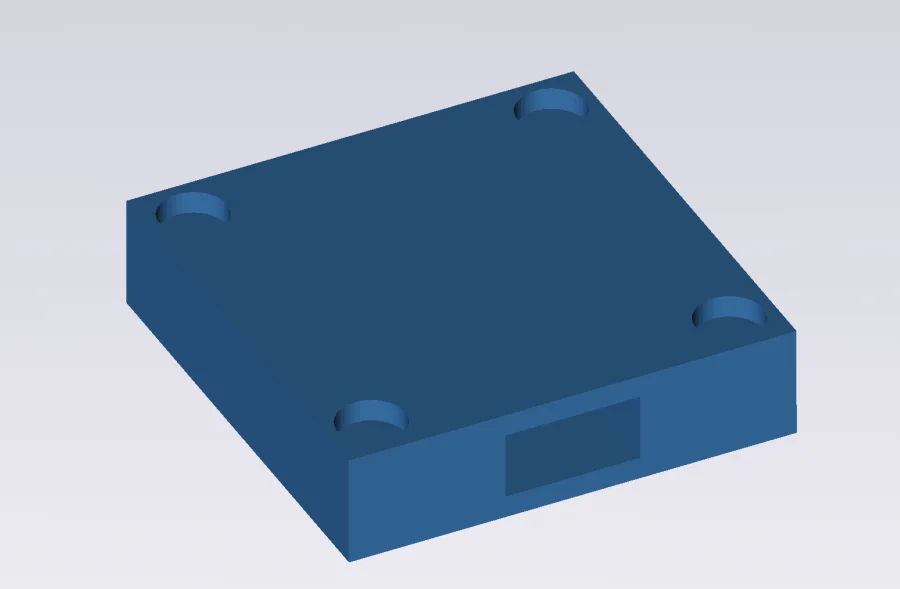
The starting part: a solid square plate with four mounting holes.
Before — solid plate
The optimized frame: four motor mounts joined by tapered arms following the load paths.
After — optimized frame